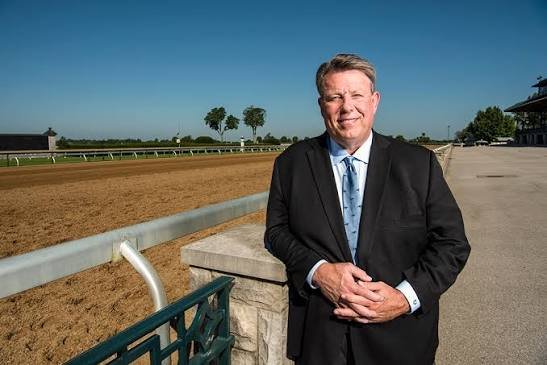
Tom Leach generations of sports fans, a great broadcaster becomes more than the person describing what is happening on the field or court. That voice eventually becomes part of the experience itself. Tom Leach has built that kind of relationship with University of Kentucky fans. Through football Saturdays, basketball nights, postseason tournaments, and countless memorable moments, his commentary has become closely connected with Kentucky Wildcats athletics.
Leach’s career is particularly interesting because it was not built through sudden national celebrity. Instead, he developed his reputation over decades of consistent work in Kentucky sports media. He started broadcasting while still young, gradually worked his way through local radio, joined the University of Kentucky radio network, and eventually earned one of the most recognizable broadcasting positions in the state. UK Athletics has documented his decades-long involvement with Kentucky sports, including his roles calling Wildcats football and men’s basketball.
There is also more to Tom Leach than Kentucky football and basketball. His background includes thoroughbred racing coverage, daily sports radio, interviews, feature reporting, and major industry recognition. His career shows how a broadcaster can remain closely connected to a regional audience while still earning respect across the wider sports-media profession.
Who Is Tom Leach?
Tom Leach is an American sports broadcaster best known as the longtime radio play-by-play voice of the University of Kentucky Wildcats. He has called Kentucky football since 1997 and took over men’s basketball play-by-play duties in 2001. Those two assignments place him at the center of two of the most closely followed sports programs in Kentucky, particularly basketball, where fan interest extends far beyond the university campus.
Calling games for Kentucky is not a small broadcasting responsibility. Wildcats basketball has one of the most passionate fan bases in college sports, while football has developed its own strong statewide following. The person behind the microphone must explain the action accurately while understanding the traditions, personalities, expectations, and history surrounding the programs. Leach has spent decades doing exactly that.
What makes his career especially notable is longevity. Broadcasters can change frequently as media contracts, networks, technology, and audiences evolve. Leach has remained associated with Kentucky athletics through different coaches, athletic directors, generations of players, conference changes, technological shifts, and dramatic changes in sports media. That continuity has helped make his voice familiar to listeners who may have grown up hearing him and later introduced the same broadcasts to their own families.
Tom Leach’s Early Life and Start in Broadcasting
Tom Leach is a Kentucky native, and that background matters when considering the direction of his career. UK Athletics identifies him as a native of Paris, Kentucky, where his interest in broadcasting developed early. Long before he became the voice heard during major Southeastern Conference games, he was already learning the fundamentals of sports broadcasting through local competition.
Leach began broadcasting high school sports while he was still a teenager. Covering local teams might sound far removed from calling nationally significant college basketball games, but those early assignments are valuable training for a play-by-play announcer. At that level, broadcasters often have to prepare their own material, learn rosters quickly, follow fast-moving action, communicate clearly, and continue speaking even when unexpected situations arise. Those habits form the foundation of professional play-by-play work.
His early start also suggests that broadcasting was not simply a career he stumbled into later in life. It was something he pursued deliberately. Tom Leach later attended the University of Kentucky and graduated in 1983, according to the National Sports Media Association. The combination of formal education and practical broadcasting experience helped prepare him for increasingly important assignments in Kentucky radio.
Building a Career in Kentucky Sports Radio
Successful sports broadcasting careers are usually built one assignment at a time. Before someone gets the opportunity to call a major college game, years may be spent covering local sports, hosting shows, producing segments, interviewing athletes, and working less glamorous shifts. Tom Leach followed that kind of traditional broadcasting path rather than immediately stepping into a high-profile position.
A major milestone came in 1989, when Tom Leach joined the University of Kentucky radio network. His early network responsibilities included hosting postgame scoreboards and call-in programming. These jobs required a different skill set from play-by-play announcing. A host needs to manage conversations, react to fans, analyze results, move smoothly between topics, and keep a program organized while working within strict broadcast timing.
That experience gave Leach a broad understanding of sports radio. He was not simply learning how to describe a touchdown or a jump shot. He was learning how audiences interact with sports before, during, and after games. In a state where Kentucky athletics can dominate conversations for days after an important result, understanding that relationship between the team and its supporters became an important part of his professional development.
Becoming the Voice of Kentucky Football
Leach reached another major career milestone in 1997, when he became the primary play-by-play announcer for Kentucky Wildcats football. Taking over such a role requires more than having a pleasant radio voice. Football is one of the most demanding sports to describe because so much happens during every play, often involving 22 players moving simultaneously. A broadcaster must identify formations, ball carriers, defenders, field position, penalties, down and distance, and game situation almost instantly.
Football also tests a broadcaster’s pacing. During the play, the commentary needs energy and precision. Between plays, the announcer has time to provide statistics, explain strategy, mention personnel changes, or work with an analyst. Knowing when to speak and when to allow an analyst or the atmosphere of the stadium to become part of the broadcast is an important skill.
Over the years, Tom Leach has called Kentucky football through dramatically different eras. Teams change, coaching staffs change, and expectations change. A long-serving broadcaster must therefore constantly learn new terminology, players, systems, coaches, and storylines. Familiarity with the program helps, but professionalism requires the announcer to approach each season with fresh preparation rather than relying entirely on institutional knowledge.
Taking Over Kentucky Men’s Basketball Play-by-Play
If becoming Kentucky’s football voice was a major achievement, adding men’s basketball made Leach’s role even more prominent. In 2001, longtime announcer Ralph Hacker retired from basketball play-by-play duties. Tom Leach , who was already handling Kentucky football, was chosen to take over Wildcats men’s basketball as well. UK Athletics reported at the time that Hacker had previously recommended Leach for the football position and that Leach would expand his responsibilities following Hacker’s retirement.
Kentucky basketball carries unusual pressure because the program’s history creates enormous expectations. Generations of supporters have followed the Wildcats through radio broadcasts, and legendary announcer Cawood Ledford established an especially influential standard for Kentucky sports broadcasting. Ralph Hacker continued that tradition before LeaTom Leach ch assumed the primary basketball play-by-play position. Stepping into that lineage meant respecting what came before without simply attempting to imitate another broadcaster.
Basketball presents a completely different rhythm from football. Possessions happen quickly, substitutions can occur constantly, and momentum may change within seconds. A radio announcer has to tell listeners where the ball is, who has possession, how the defense is reacting, how much time remains, and whether a shot was successful. Doing that naturally while preserving excitement requires tremendous concentration, particularly during close games.
The Broadcasting Style That Defines Tom Leach
One reason certain broadcasters remain successful for decades is that listeners trust them. Sports fans want excitement, but they also want clarity. A broadcaster who becomes too dramatic can overwhelm the action, while someone who remains too detached may fail to communicate the emotional importance of a major moment. Tom Leach long career has required him to operate between those extremes.
His approach is rooted in traditional radio play-by-play. Because listeners cannot see what is happening, the announcer effectively creates the picture through language. Scores and statistics are important, but location and movement matter just as much. The listener needs enough information to understand how a play develops without hearing so much detail that the commentary becomes cluttered.
Another key part of Leach’s style is familiarity with his audience. Kentucky fans tend to know the program deeply, so overly basic explanations can sound unnecessary. At the same time, a professional broadcast must remain accessible to casual listeners. Balancing those audiences requires judgment. After decades around the program, Tom Leach has developed the institutional knowledge needed to add historical context without turning every possession or drive into a history lesson.
The Challenge of Calling Historic Kentucky Moments
A play-by-play broadcaster never knows exactly when an unforgettable moment will happen. A routine regular-season contest can suddenly become dramatic, while a highly anticipated game might be decided early. The broadcaster has to stay prepared for both situations. That uncertainty is one of the reasons live sports broadcasting remains difficult even for experienced professionals.
Tom Leach has worked Kentucky broadcasts across postseason basketball, bowl games, rivalry matchups, conference competition, coaching transitions, upset victories, disappointing losses, and individual player milestones. By the time the National Sports Media Association profiled him following his 2019 state sportscaster recognition, it noted that his Kentucky work had already included four Final Fours and 11 bowl games.
Those assignments matter because the best play-by-play calls often become historical records. Fans may replay a radio call years after the actual contest, especially when the moment represents an important victory or championship run. A broadcaster is therefore doing two jobs simultaneously: describing something for people listening live and creating an audio record that may survive long after the final score is forgotten.
Tom Leach and Thoroughbred Racing
Kentucky sports culture extends well beyond basketball and football. Thoroughbred racing is deeply connected with the state’s identity, and Tom Leach’s career includes significant work covering the sport. His involvement in racing demonstrates an important quality in broadcasting: versatility.
Horse racing demands a different kind of expertise from team sports. Understanding the sport requires familiarity with trainers, jockeys, owners, pedigrees, tracks, racing conditions, major stakes events, and the broader racing industry. Coverage can include much more than calling a race. It may involve interviews, analysis, storytelling, features, and reporting about the people and horses surrounding an event.
Leach earned Eclipse Awards in 1993 and 1999 for thoroughbred racing coverage, achievements noted by University of Kentucky Athletics when his expanded basketball role was announced in 2001. Eclipse Awards are among the best-known honors associated with American thoroughbred racing, making those victories an important part of his professional résumé rather than a minor side project.
Why the Eclipse Awards Matter in His Career
The Eclipse Awards are associated with excellence in American thoroughbred racing and recognize achievement across multiple areas of the sport. For a broadcaster or journalist working around racing, receiving that level of recognition demonstrates that the work has made an impression beyond the local audience.
For Tom Leach , the awards also reveal that his professional identity cannot be reduced entirely to Wildcats basketball and football. Those roles eventually became the most publicly visible parts of his career, but his racing work had already shown his ability to cover another complex sport at a high level.
That versatility matters in sports media. Broadcasters who understand only one team or one sport may struggle when their responsibilities expand. Leach’s experience across racing, football, basketball, radio hosting, interviews, and reporting helped create a broader broadcasting skill set. It also connected him with multiple parts of Kentucky’s sporting culture.
The Leach Report and Daily Sports Conversation
Live game broadcasts are only part of Tom Leach’s media work. He is also the host of The Leach Report, a weekday sports radio program centered heavily on University of Kentucky athletics and other relevant sports topics. His current public profile continues to identify him as both the Voice of the Wildcats and host of the weekday program.
Hosting a daily show requires a different mindset from calling games. Play-by-play is reactive: the broadcaster describes events as they occur. Talk radio is analytical. The host needs to decide what stories matter, ask useful questions, evaluate performances, interview guests, and keep discussions moving. A daily program also means responding quickly to breaking developments such as injuries, coaching announcements, recruiting stories, schedules, or major results.
The program helps extend Tom Leach relationship with Kentucky fans beyond game day. Instead of appearing only when the Wildcats are playing, he becomes part of the regular sports conversation. That consistency is especially valuable in college athletics, where discussion continues throughout the year. Even outside the competitive season, recruiting, coaching, conference developments, and preparations for the next year keep supporters engaged.
Working With Analysts and Broadcast Partners
Play-by-play is often associated with one famous voice, but a strong sports broadcast is a team effort. Analysts, sideline reporters, producers, engineers, researchers, and studio hosts all contribute to what the audience eventually hears. Leach’s career has included work alongside numerous broadcast partners across Kentucky football and basketball.
The relationship between a play-by-play announcer and an analyst is particularly important. The play-by-play broadcaster describes what happened. The analyst usually explains why it happened. When that partnership works properly, listeners receive both the action and the deeper tactical meaning behind it.
A good lead announcer also knows when not to dominate the broadcast. After an analyst makes an important observation, there is little value in repeating the same point simply to remain on the air. Strong broadcasting often depends on conversation, timing, and chemistry. Tom Leach ability to work within changing broadcast teams over many seasons has been another factor behind the stability of Kentucky’s radio coverage.
Recognition as Kentucky Sportscaster of the Year
Industry awards do not automatically define a successful broadcaster, but they offer useful evidence of professional respect. Tom Leach has earned recognition as Kentucky Sportscaster of the Year, including an award connected with his 2019 work through the National Sports Media Association. UK Athletics also noted that he had received the state honor earlier in his career, including in 1997.
These awards are significant because sports broadcasting is highly competitive. Evaluating broadcasters involves more than measuring popularity. Professional recognition often reflects consistency, preparation, storytelling ability, technical skill, and the quality of work produced across an entire season or year.
For LeaTom Leach ch, such honors reinforce the broader picture of his career. His reputation was not created solely because he happened to hold a prestigious microphone. He built experience before earning the Kentucky assignments and then continued developing after receiving them. Longevity combined with repeated professional recognition suggests a career built around sustained performance rather than one famous moment.
Kentucky Sports Hall of Fame Recognition
One of the clearest acknowledgments of Tom Leach impact came when he was inducted into the Kentucky Sports Hall of Fame in 2023. UK Athletics described him at that point as being deep into a broadcasting career spanning several decades in his home state, including decades of involvement with University of Kentucky broadcast teams.
A hall of fame induction carries a different meaning from a yearly broadcasting award. Annual awards generally recognize outstanding work during a particular period. Hall of fame recognition evaluates the larger career and its lasting influence. In Tom Leach case, the honor placed a broadcaster alongside people whose contributions helped shape Kentucky sports.
The induction also reflects the importance of sports media itself. Athletes and coaches naturally receive much of the attention in sports history, but broadcasters help preserve and communicate that history. Their voices accompany championship runs, rivalry victories, heartbreaking defeats, and changing generations of players. Over enough time, the broadcaster becomes part of the tradition rather than merely someone documenting it.
How Tom Leach Followed a Legendary Kentucky Broadcasting Tradition
Anyone discussing Kentucky radio history eventually encounters the name Cawood Ledford. Ledford became one of the defining voices of Wildcats athletics and left an enormous legacy after decades calling Kentucky games. Following such a figure can be difficult because audiences naturally compare the current broadcaster with the voice associated with earlier generations.
Tom Leach career represents continuity without simple imitation. Every broadcaster has a different voice, vocabulary, rhythm, and personality. Trying to reproduce another announcer exactly would rarely work. What matters more is respecting the standards established by previous generations: accuracy, preparation, professionalism, knowledge of the audience, and appreciation for the significance of the assignment.
That distinction helps explain why longevity matters. Eventually, the successor develops a legacy of his own. Fans who were children when Leach began calling Kentucky football in the 1990s are now adults who have spent most of their lives hearing his voice during Wildcats games. At some point, a broadcaster stops being viewed mainly as the person who followed earlier legends and becomes part of the same continuing history.
Adapting to the Changing World of Sports Media
Tom Leach began his career in an era when traditional radio was one of the primary ways fans followed sports. The media landscape today is dramatically different. Supporters can watch highlights instantly, follow live statistics on their phones, stream games, listen to podcasts, use social media during competitions, and access analysis from thousands of sources.
Yet radio-style commentary has survived because it offers something different. Fans may listen while driving, working, traveling, or doing things that make watching a screen impossible. Others deliberately choose radio commentary because they enjoy the personality and perspective of a familiar broadcast team.
Tom Leach continued presence into the modern digital era illustrates how traditional broadcasting can adapt rather than disappear. The Leach Report is available through modern distribution channels, and his public-facing media presence now exists alongside the live radio work that originally defined his career. Current listings and program pages continue to identify him as an active host and Wildcats broadcaster.
Why Preparation Matters in Tom Leach’s Profession
Great play-by-play often sounds effortless, which can hide the amount of preparation behind it. Before a broadcaster ever turns on a microphone, there are depth charts to study, statistics to organize, pronunciations to confirm, recent games to review, injuries to track, coaching tendencies to understand, and potential storylines to prepare.
The best preparation is not about squeezing every collected fact into the broadcast. It is about having the right information available when the game creates an opportunity to use it. A statistic about a player’s late-game performance may be irrelevant for most of the night, then suddenly become valuable with 30 seconds remaining and the score tied.
Someone who has worked at Leach’s level for decades develops systems for handling that information efficiently. Experience helps a broadcaster anticipate what may matter, but preparation prevents experience from becoming complacency. Every roster is different, every season produces new stories, and every opponent presents new challenges.
Tom Leach’s Connection With Kentucky Fans
Sports broadcasting is unusual because audiences often form long-term relationships with people they have never personally met. A broadcaster can become associated with family traditions: listening in the car, gathering around the radio, following a game while working, or replaying a famous call after a memorable victory.
That emotional connection is especially strong in college sports, where teams often represent communities and regions rather than simply professional entertainment franchises. Kentucky fans may have family connections to the university stretching across generations. When one broadcaster remains in the role for decades, his voice becomes intertwined with those individual memories.
Tom Leach long tenure therefore represents more than employment stability. It means his commentary has accompanied a substantial portion of modern Wildcats history. Players and coaches come and go. The broadcaster becomes one of the recurring figures linking those different eras together.
What Aspiring Sports Broadcasters Can Learn From Tom Leach
One obvious lesson from Tom Leach career is that major opportunities usually come after smaller ones. Beginning with local sports and gradually moving through radio responsibilities allowed him to develop before receiving the pressure of marquee college assignments. Aspiring broadcasters sometimes focus entirely on reaching a national network, but local experience can provide the practical skills needed to succeed when a larger opportunity finally arrives.
Another lesson is the value of versatility. Leach has worked in play-by-play, sports talk, interviews, horse racing coverage, football, and basketball. Learning multiple formats makes a broadcaster more adaptable. It also improves communication skills because each format demands something different.
Perhaps the most important lesson is consistency. Broadcasting careers are built over thousands of hours rather than one viral call. Preparation, credibility, clear communication, and reliability may not attract instant attention, but those qualities help create longevity. Leach’s career demonstrates what can happen when those fundamentals are maintained for decades.
Tom Leach’s Lasting Legacy in Kentucky Sports
It is difficult to measure a sports broadcaster’s legacy with statistics. There are no points scored, rebounds collected, championships personally won, or tackles recorded. The impact appears instead in familiarity, memory, credibility, and the ability to make listeners feel connected with the competition.
Tom Leach has spent decades documenting Kentucky athletics from one of the most visible seats available: directly behind the microphone. He joined the UK radio network in 1989, became the football play-by-play voice in 1997, expanded into men’s basketball in 2001, earned major recognition for racing coverage, received sportscasting honors, and eventually entered the Kentucky Sports Hall of Fame.
Those achievements place him firmly within Kentucky’s broadcasting tradition. More importantly, his work has given fans a consistent narrator for years of changing Wildcats history. That is ultimately what distinguishes a long-serving play-by-play announcer from an ordinary media personality: the voice becomes part of how people remember the games themselves.
Conclusion
Tom Leach represents the kind of broadcasting career that is built through patience, preparation, versatility, and long-term trust. From his early work covering sports in Kentucky to his decades behind the microphone for University of Kentucky athletics, he gradually developed into one of the state’s most recognizable sports voices.
His career reaches beyond football and basketball. Two Eclipse Awards for thoroughbred racing coverage, multiple sportscasting honors, daily radio work through The Leach Report, and his 2023 Kentucky Sports Hall of Fame induction show the range of his contribution to sports media. These achievements help explain why his reputation extends beyond the individual games he calls.
Also Read: Emelyn Daly: From