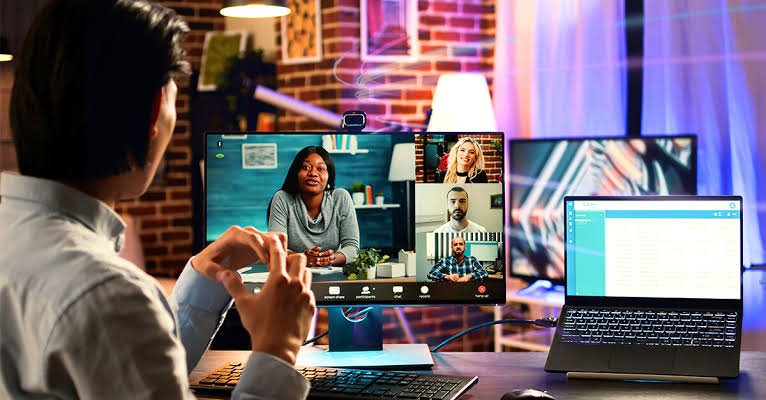
Remote work technology has completely changed the way people approach their professional lives. What was once considered a flexible option for a limited number of employees has become a major part of the global workplace. Businesses of all sizes now rely on digital tools, cloud platforms, communication systems, and security solutions to help teams work effectively from different locations.
The growth of remote work technology is not only about allowing employees to work from home. It represents a larger shift in how companies organize teams, manage projects, communicate internally, and measure productivity. With the right technology, businesses can build connected workplaces where employees can collaborate regardless of their physical location.
Modern organizations are investing heavily in remote work solutions because they provide flexibility, improve access to global talent, and help companies create more adaptable work environments. From video conferencing platforms to artificial intelligence-powered productivity tools, remote work technology continues to evolve and shape the future of business operations.
What Is Remote Work Technology?
Remote work technology refers to the collection of digital tools, platforms, and systems that allow employees to complete their professional responsibilities outside of traditional office environments. These technologies support communication, collaboration, file sharing, project management, security, and overall workplace efficiency.
At its core, remote work technology creates a virtual workplace where employees can perform tasks that previously required physical office access. Instead of depending on office computers, paper documents, or in-person meetings, teams can use cloud-based solutions and online platforms to stay connected.
The concept includes many different types of software and hardware. Video meeting applications, instant messaging tools, cloud storage services, virtual private networks, workflow management systems, and cybersecurity platforms all play important roles in creating a successful remote work environment.
The Growth of Remote Work Technology
The adoption of remote work technology accelerated as businesses discovered the benefits of flexible working models. While remote work existed before, improvements in internet connectivity, cloud computing, and digital collaboration tools made large-scale remote operations possible.
Companies realized that employees could remain productive without being physically present in an office. This encouraged organizations to rethink traditional workplace structures and explore hybrid models that combine remote and in-person work.
The rise of remote work technology also changed employee expectations. Many professionals now value flexibility and the ability to manage their work environment. Businesses that offer remote-friendly options often find it easier to attract talent from different locations and create more diverse teams.
Essential Communication Tools for Remote Teams
Communication is one of the most important parts of remote work success. Without direct physical interaction, companies need reliable digital platforms that allow employees to exchange ideas, provide updates, and maintain team relationships.
Video conferencing tools have become a central part of remote communication. These platforms allow teams to hold meetings, conduct presentations, collaborate visually, and maintain face-to-face connections even when employees are located in different cities or countries.
Instant messaging platforms also play a major role in remote workplaces. They provide quick communication channels for questions, updates, and discussions. Instead of relying only on emails, employees can communicate more naturally and efficiently through dedicated workplace messaging systems.
Cloud Computing and Remote Work
Cloud computing is one of the strongest foundations of remote work technology. Cloud platforms allow employees to access files, applications, and business resources from almost anywhere with an internet connection.
Before cloud technology became widely available, employees often needed access to specific office computers or internal networks to complete certain tasks. Cloud solutions removed many of these limitations by allowing information and software tools to be hosted online.
Businesses benefit from cloud computing because it improves flexibility and scalability. Companies can increase or reduce their digital resources based on changing needs without making major investments in physical infrastructure.
Project Management Tools for Remote Collaboration
Managing projects remotely requires clear organization and visibility. Project management tools help teams track responsibilities, deadlines, progress, and communication in one centralized location.
These platforms allow managers to assign tasks, monitor project development, and identify potential challenges before they become serious problems. Employees can understand their priorities more clearly and collaborate without needing constant meetings.
Remote project management also encourages accountability. When tasks, deadlines, and responsibilities are visible to everyone, teams can work more independently while still maintaining alignment with company goals.
The Role of Artificial Intelligence in Remote Work
Artificial intelligence is becoming an important part of remote work technology. AI-powered tools can help employees automate repetitive tasks, organize information, analyze data, and improve productivity.
For example, AI assistants can help summarize meetings, create drafts, manage schedules, and provide recommendations. These features allow employees to spend more time on creative and strategic work instead of routine administrative activities.
Artificial intelligence also helps businesses understand workplace patterns. Companies can use AI-driven analytics to identify workflow improvements, improve resource planning, and create better remote work experiences.
Cybersecurity Challenges in Remote Work
While remote work technology provides many benefits, it also creates new security challenges. Employees working from different locations may use various networks, devices, and systems, increasing the importance of strong cybersecurity practices.
Businesses must protect sensitive information through tools such as encryption, multi-factor authentication, secure access systems, and employee security training. A strong cybersecurity strategy is essential because remote teams often operate outside traditional office protections.
Cybersecurity is not only a technology issue but also a human responsibility. Employees need awareness of potential risks, including phishing attacks, unsafe networks, and improper handling of company information.
Benefits of Remote Work Technology for Businesses
Remote work technology offers businesses several advantages. One of the biggest benefits is access to a wider talent pool. Companies are no longer limited to hiring employees who live near physical offices, allowing them to find skilled professionals from different regions.
Another advantage is improved operational flexibility. Businesses can continue working during unexpected situations because employees have the tools needed to operate from different locations.
Remote technology can also reduce certain operational costs. Organizations may save expenses related to office space, commuting support, and physical infrastructure while investing in digital tools that support productivity.
Benefits of Remote Work Technology for Employees
Employees also experience significant advantages from remote work technology. Flexible work arrangements can help professionals create better balance between their personal and professional responsibilities.
Many employees appreciate the ability to design their own work environments. Whether working from home, a shared workspace, or another location, professionals can choose settings that support their productivity and comfort.
Remote technology also creates opportunities for people who may have difficulty accessing traditional workplaces. Individuals with different schedules, locations, or personal responsibilities can participate more easily in modern professional environments.
Challenges of Managing Remote Teams
Although remote work technology provides many opportunities, managing remote teams requires new approaches. Managers cannot rely on traditional office methods such as physical supervision or casual conversations to understand employee progress.
Effective remote leadership requires clear communication, trust, and strong digital processes. Managers need to focus on results rather than simply tracking how many hours employees spend online.
Another challenge is maintaining company culture. Without regular in-person interaction, organizations must create intentional opportunities for connection, collaboration, and employee engagement.
The Importance of Employee Training
Introducing remote work technology is not enough by itself. Employees need proper training to understand how to use digital tools effectively and securely.
Training programs help employees become comfortable with new platforms and reduce confusion during daily operations. When teams understand available tools, they can collaborate more efficiently and avoid unnecessary technical problems.
Companies should also provide ongoing learning opportunities because technology continues to change. Regular updates and training ensure employees can take advantage of new features and improvements.
Future Trends in Remote Work Technology
The future of remote work technology will likely focus on creating more connected and intelligent digital workplaces. Emerging technologies such as virtual reality, augmented reality, and advanced artificial intelligence may create new ways for teams to collaborate.
Virtual workspaces could provide more immersive experiences, allowing employees to interact in digital environments that feel closer to physical offices. These technologies may become especially useful for training, design collaboration, and creative teamwork.
Automation will also continue to influence remote work. Businesses will increasingly use smart systems to manage workflows, improve communication, and reduce repetitive tasks.
How Businesses Can Build a Successful Remote Work Strategy
A successful remote work strategy requires more than simply providing employees with laptops and communication software. Companies need a complete approach that includes technology, policies, security, and workplace culture.
Organizations should select tools based on their specific needs rather than choosing platforms only because they are popular. The best technology solutions are those that improve employee experiences and support business objectives.
Clear remote work policies are also important. Employees should understand expectations related to communication, availability, security, and performance. A structured approach helps prevent confusion and creates a more productive remote environment.
Conclusion
Remote work technology has become a fundamental part of modern business operations. It has transformed how companies communicate, manage projects, protect information, and support employees across different locations.
From cloud computing and collaboration platforms to artificial intelligence and cybersecurity solutions, remote technology continues to create new possibilities for businesses and professionals. While challenges exist, organizations that approach remote work strategically can build flexible and productive workplaces.
As technology continues to advance, remote work will likely become even more integrated into everyday professional life. Companies that embrace innovation and prioritize effective digital collaboration will be better prepared for the future of work.
FAQs
What is remote work technology?
Remote work technology includes digital tools and systems that allow employees to communicate, collaborate, and complete tasks from locations outside a traditional office.
Why is remote work technology important?
It helps businesses improve flexibility, access global talent, reduce operational limitations, and support modern workplace models.
What tools are commonly used for remote work?
Common tools include video conferencing platforms, project management software, cloud storage systems, messaging apps, and cybersecurity solutions.
Is remote work technology secure?
Remote work technology can be secure when businesses use proper cybersecurity practices, including encryption, authentication, and employee training.
What is the future of remote work technology?
The future will likely include more AI-powered solutions, automation, virtual collaboration spaces, and advanced digital workplace experiences.
Also Read: Digital Marketing Strategies for Small Businesses