Renate Blauel: The Recording Engineer, Her Career, Marriage to Elton John, and Life Away from Fame

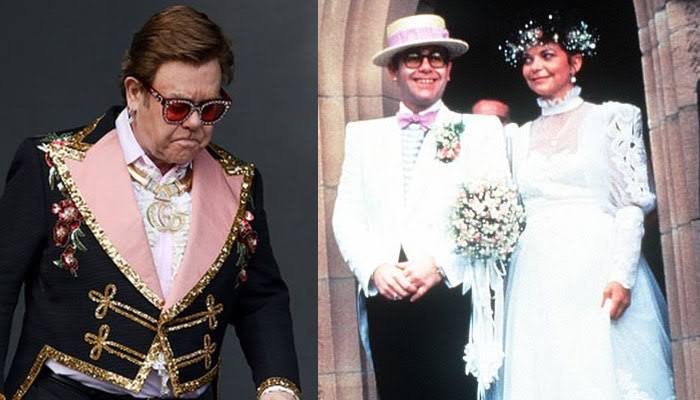
Renate Blauel is best known to the wider public as the former wife of British music legend Elton John, but describing her only through that relationship leaves out an important part of her story. Long before her marriage became international news, Blauel had established herself in the recording industry, working behind the scenes at a time when technical studio roles were still heavily dominated by men. Her work placed her around major recording projects and respected musicians during an especially productive period in popular music.
Unlike many people who become connected to celebrities, Renate Blauel never seemed particularly interested in building a public identity around fame. Her professional life revolved around recording studios, engineering, tape operation, and the detailed technical work necessary to turn performances into finished records. AllMusic credits her with work connected to artists including Marvin Gaye, Paul McCartney, Mike Oldfield, The Human League, and Pete Townshend.
Public curiosity about Blauel increased dramatically after she married Elton John in Sydney on February 14, 1984. The marriage lasted roughly four years before ending in divorce in 1988. She subsequently chose an unusually private life, rarely discussing the relationship publicly. Decades later, however, her name returned to headlines when a legal dispute involving privacy and details of the marriage emerged in 2020.
Who Is Renate Blauel?
Renate Blauel is a German-born recording and sound engineer whose career developed largely behind the scenes. Unlike performers whose work depends on public recognition, engineers are usually responsible for capturing, balancing, editing, and shaping sound without appearing in front of an audience. Blauel belonged to this technical side of the music business, making her professional background quite different from the celebrity image later associated with her.
Reliable information about Blauel’s childhood and family background is limited. That is partly because she has consistently maintained a low public profile. Many celebrity biographies contain speculative details about her early years, but much of that information has never been independently confirmed. What can be established more clearly is Renate Blauel involvement in professional recording work during the late 1970s and 1980s.
Her decision to stay private has also shaped how she is remembered. There are comparatively few interviews, public appearances, or autobiographical accounts directly from Blauel. Biography.com notes that after her divorce she largely disappeared from the public spotlight and avoided discussing her marriage. That makes her unusual in an era when relationships involving famous musicians often become the subject of books, interviews, documentaries, and tabloid coverage.
Renate Blauel’s Career as a Recording Engineer
Blauel’s professional career deserves more attention because it shows that she had a place in the music industry independently of Elton John. Recording engineering requires technical knowledge as well as musical judgment. Engineers work with microphones, recording equipment, mixing consoles, tape systems, studio acoustics, and musicians to capture performances as accurately and creatively as possible.
According to AllMusic’s professional credits database, Blauel received engineering or assistant-engineering credits across a number of significant recordings. Her listed work includes Mike Oldfield’s Platinum, Marvin Gaye’s In Our Lifetime, Paul McCartney’s Tug of War, The Human League’s Hysteria, and Pete Townshend’s Another Scoop. Her credits range from assistant roles to engineering, audio engineering, remixing, and tape operation.
Those credits are especially interesting because the recording industry of that period relied heavily on analogue equipment. Engineers were working with multitrack tape machines and large mixing consoles rather than the almost entirely software-based environments available today. Mistakes could be far more difficult to correct, meaning attention to detail was essential. Blauel’s presence on professionally released projects involving internationally recognised artists suggests she had built meaningful technical experience before the public began identifying her primarily as Elton John’s wife.
How Renate Blauel Met Elton John
Renate Blauel and Elton John reportedly became acquainted through the recording industry. Accounts of their relationship generally place their meeting around the sessions associated with John’s 1983 album Too Low for Zero. The project was an important one in John’s career, bringing him back together creatively with his longtime lyricist Bernie Taupin and producing major songs including “I’m Still Standing” and “I Guess That’s Why They Call It the Blues.”
Vanity Fair reported that John met Blauel while working on the album and that she was working professionally as a sound engineer. Their relationship developed from a studio connection into a close personal friendship and eventually a romance. Unlike the highly public environment surrounding John, Blauel’s career remained centred on technical studio work.
Their relationship attracted attention partly because John was already one of the world’s most famous musicians. He had also publicly discussed his sexuality before the marriage. Consequently, the announcement that he planned to marry Blauel became international entertainment news. Yet accounts from the period suggest the relationship itself developed relatively privately before their wedding suddenly placed Blauel at the centre of intense media attention.
The Marriage of Renate Blauel and Elton John
Elton John and Renate Blauel married on Valentine’s Day, February 14, 1984, at St Mark’s Church in Darling Point, Sydney, Australia. The timing contributed to the enormous publicity surrounding the ceremony. The wedding occurred only days after John proposed while he was in Australia, making the transition from engagement to marriage surprisingly quick.
The wedding became a major celebrity event. John was already an international superstar, and newspapers followed the ceremony closely. For Blauel, who had largely worked away from cameras and reporters, the attention represented a major change. She suddenly became recognised around the world despite having built her career in one of the least publicly visible areas of the entertainment industry.
The couple remained married through much of the mid-1980s. During that period, John continued recording and performing internationally. Blauel, meanwhile, never developed the kind of celebrity persona that frequently surrounds the partners of major entertainers. Even while married to one of the most recognisable musicians in the world, she generally remained much less public than her husband.
Why Did Renate Blauel and Elton John Divorce?
Renate Blauel and Elton John’s marriage ended in 1988, approximately four years after their wedding. Reports from the period indicated that the separation was handled without the kind of prolonged public conflict that sometimes accompanies celebrity divorces. Blauel also avoided turning the breakdown of the marriage into a public media story.
In later years, John spoke more openly about his own life and sexuality. He publicly identified as gay and eventually built a long-term relationship with filmmaker David Furnish. When discussing his earlier marriage, John has generally placed responsibility on himself rather than publicly attacking Blauel. Vanity Fair’s account of his later reflections notes that he expressed regret about the pain caused by the marriage and described that period as part of a complicated time in his personal life.
Blauel’s response was very different from the typical celebrity approach. Instead of giving interviews explaining her side of events, she withdrew further from public attention. That silence is significant. It means much of what has been written about the marriage comes from other people, media reports, or John’s later accounts rather than Blauel herself. Responsible biographies therefore need to distinguish established facts from speculation.
Renate Blauel’s Life After the Divorce
After the divorce, Blauel deliberately stepped away from celebrity culture. She did not build a career from her connection to Elton John, publish a tell-all memoir, or regularly appear in documentaries discussing the marriage. Biography.com reported that she essentially disappeared from public life and rarely spoke publicly about her former husband.
Her withdrawal has naturally created curiosity, but it also demonstrates why privacy should be respected when discussing her biography. The absence of interviews does not justify filling gaps with assumptions. Numerous websites claim to know detailed information about her finances, residences, family relationships, education, and personal activities, yet much of that material is poorly sourced or contradictory.
For this reason, the most accurate picture of Renate Blauel after 1988 is relatively simple: she chose a life largely outside public view. That decision became an important part of her public story because it stood in sharp contrast with John’s continued global fame. While his career remained highly visible for decades, Blauel maintained considerably greater distance from the entertainment press.
The 2020 Legal Dispute With Elton John
Renate Blauel returned to international headlines in 2020 when she began legal proceedings against Elton John. The dispute centred on an agreement connected with their 1988 divorce and whether information subsequently made public about their marriage violated its confidentiality provisions. Media reports linked the dispute particularly to John’s 2019 autobiography Me and material surrounding the film Rocketman.
Reports stated that Blauel sought approximately £3 million in damages and argued that certain disclosures had breached their agreement. John’s legal representatives disputed aspects of the claim and argued that some of the information involved was already publicly known. The disagreement therefore became not simply a celebrity dispute but also a question involving confidentiality, privacy, and what former partners could publicly disclose about their relationship.
The case did not continue into a lengthy public trial. In October 2020, the two sides announced that the dispute had been resolved. The Guardian reported that they reached a settlement and indicated that they would not continue publicly discussing one another or their marriage. The resolution reinforced something that had been evident throughout much of Blauel’s post-divorce life: maintaining personal privacy remained extremely important to her.
Why Renate Blauel’s Professional Career Matters
It is easy for discussions about Renate Blauel to become entirely focused on Elton John. From an entertainment-history perspective, however, her recording career provides a more complete way of understanding her. She was already working in professional studio environments where technical competence mattered considerably more than celebrity connections.
Her documented credits are particularly notable because they connect her with several major figures in twentieth-century popular music. AllMusic lists contributions associated with Marvin Gaye, Paul McCartney, Mike Oldfield, Pete Townshend, and The Human League. These were not obscure artists, and their recording projects involved established producers, engineers, and professional studios.
Blauel’s work also provides an example of the many professionals whose contributions to famous albums are rarely recognised by ordinary listeners. The singer’s name may appear in large letters on an album cover, but producing a finished record requires producers, recording engineers, assistant engineers, mixers, tape operators, session musicians, and technicians. Blauel belonged to that less visible but essential part of the music industry.
Why People Are Still Interested in Renate Blauel
Interest in Renate Blauel continues largely because her story intersects with one of modern music’s most famous careers. Elton John’s life has been examined through biographies, interviews, documentaries, films, and his own memoir. Whenever the history of his personal life is revisited, his marriage to Blauel naturally becomes part of that conversation.
There is also a strong element of mystery surrounding her. Celebrity culture usually rewards constant exposure, yet Blauel chose the opposite approach. Because she rarely discusses herself publicly, there is far less reliable information about her than readers might expect about someone who was once married to such a globally famous musician.
That gap between public curiosity and personal privacy is precisely why accurate reporting matters. Blauel’s documented recording career, 1984 marriage, 1988 divorce, and 2020 legal dispute provide enough material for a meaningful biography without relying on questionable stories. Her life demonstrates that being connected to a famous person does not necessarily mean wanting to remain part of the celebrity world.
Renate Blauel’s Legacy and Public Image
Renate Blauel occupies an unusual position in music history. She was a professional recording engineer connected with notable projects, yet most casual readers recognise her because of a four-year marriage that ended decades ago. The difference between those two identities—technical professional and celebrity former spouse—explains much of the continuing fascination surrounding her name.
Her story also highlights how easily the work of behind-the-scenes music professionals can become overshadowed. Engineering credits may appear in album notes rather than headlines, but those jobs require specialised technical knowledge and can have a major influence on how recorded music ultimately sounds. Blauel’s credits show that her career deserves acknowledgement independently from her personal relationship with John.
At the same time, her later life has become closely associated with privacy. She had opportunities to capitalise publicly on one of the most famous celebrity marriages of the 1980s but largely chose not to do so. Even the 2020 proceedings were fundamentally connected to maintaining boundaries around private information rather than seeking a renewed celebrity career.
Conclusion
Renate Blauel’s story is more complex than the simple description “Elton John’s ex-wife” suggests. She worked professionally as a recording engineer and accumulated credits connected with internationally recognised musicians before becoming the subject of enormous public attention. Her technical career offers an important reminder that many people who shape popular music do their most valuable work away from the stage.
Her marriage to Elton John in Sydney on February 14, 1984, transformed her into a public figure almost overnight. Four years later, the couple divorced, and their lives moved in very different directions. John continued living under intense international attention, while Blauel largely withdrew from it.
Also Read: Tom Leach