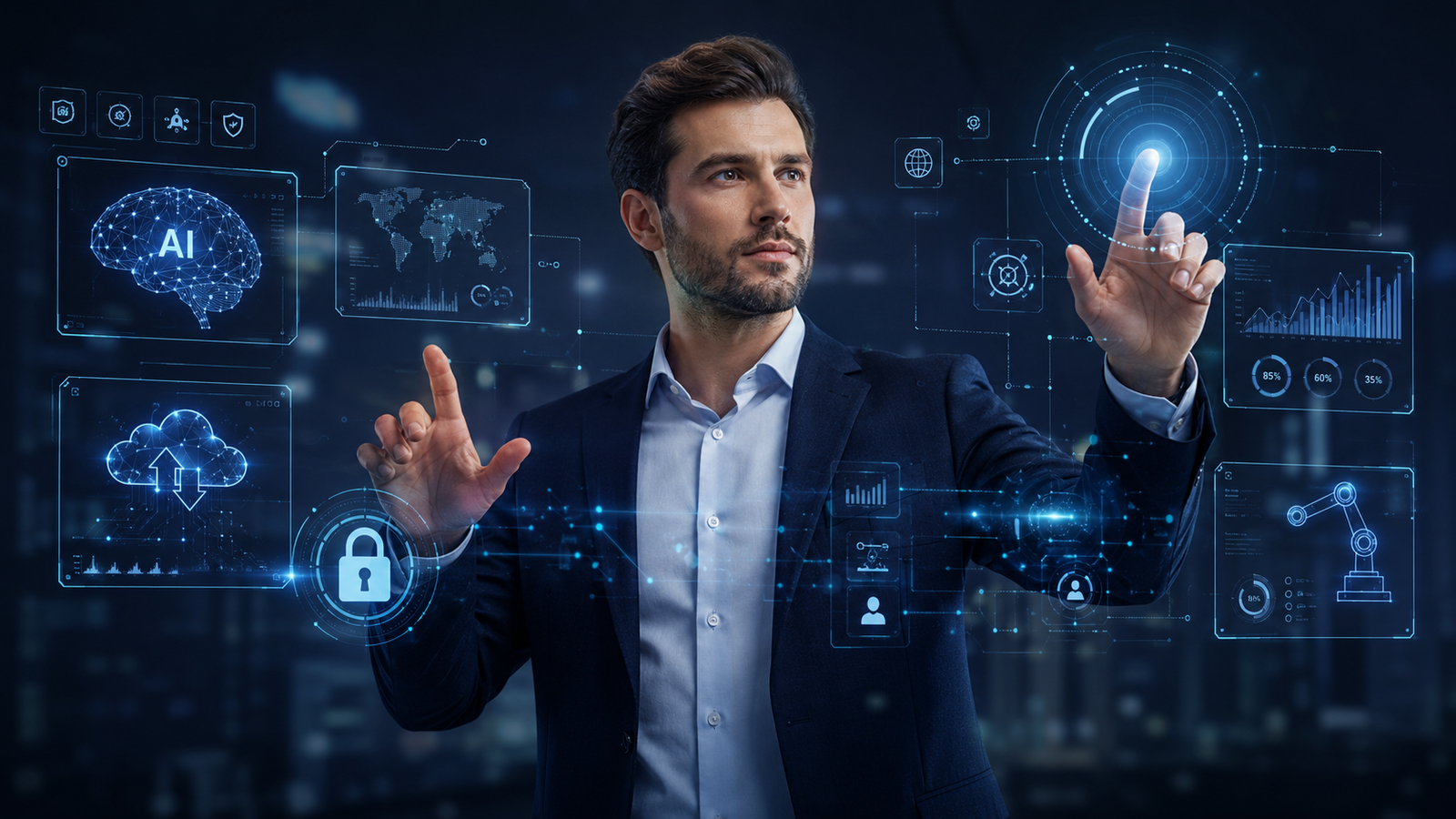
Understanding the Power of Digital Technology
Digital technology has become one of the most influential forces shaping the modern world. From the way people communicate to how businesses operate, digital solutions have transformed almost every aspect of daily life. What once required physical effort, long processes, and significant time can now be completed within seconds through computers, smartphones, and online platforms. Digital technology is no longer limited to advanced industries; it has become a part of everyday experiences for people across the globe.
At its core, digital technology refers to the use of electronic systems, devices, and software that process, store, and exchange information in digital formats. Unlike traditional technologies that relied heavily on physical or analog methods, digital systems use data represented through binary codes, allowing information to be processed faster, stored efficiently, and shared instantly. This ability has created new opportunities for innovation, communication, education, and economic growth.
The growth of digital technology has changed human behavior and expectations. People now expect faster services, instant access to information, and personalized experiences. Whether someone is shopping online, attending a virtual meeting, managing finances through mobile banking, or learning through digital courses, technology has become deeply connected with everyday activities. Understanding digital technology helps individuals and businesses adapt to a rapidly changing environment.
What Is Digital Technology and How Does It Work?
Digital technology is a broad term that covers various electronic tools, systems, and applications designed to create, store, process, and share digital information. Examples include computers, smartphones, cloud computing services, artificial intelligence systems, digital networks, and software applications. These technologies work together to improve efficiency, solve problems, and provide better ways of managing information.
The foundation of digital technology is data. Every digital action, whether sending a message, watching a video, or making an online purchase, involves the creation and movement of digital data. Computers and digital devices convert information into machine-readable formats, allowing systems to analyze and process it. This process enables faster decision-making and helps organizations manage large amounts of information effectively.
Modern digital technology works through interconnected systems. The internet connects billions of devices worldwide, allowing users to communicate and exchange information instantly. Cloud platforms provide online storage and computing power without requiring physical infrastructure. Artificial intelligence and machine learning systems analyze data patterns to deliver smarter solutions. Together, these technologies create a digital ecosystem that continues to evolve every year.
The Evolution of Digital Technology Over Time
The journey of digital technology began with simple computing machines and has developed into a complex network of intelligent systems. Early computers were large, expensive machines mainly used by governments, researchers, and large organizations. Over time, advancements in hardware and software made computers smaller, more affordable, and accessible to ordinary users.
The introduction of personal computers changed the way people worked and interacted with information. Businesses started using digital systems to manage operations, store records, and improve productivity. Later, the arrival of the internet created a major shift by connecting people and organizations across the world. Information could now travel instantly, creating new possibilities for communication and collaboration.
Today, digital technology has entered a more advanced phase with innovations such as artificial intelligence, robotics, blockchain, and the Internet of Things. Smart devices can communicate with each other, businesses can analyze customer behavior in real time, and automated systems can perform complex tasks. This continuous evolution shows that digital technology is not a temporary trend but a permanent part of human development.
The Role of Digital Technology in Everyday Life
Digital technology has significantly changed how people manage their personal and professional lives. Smartphones, for example, have become powerful tools that combine communication, entertainment, education, banking, and productivity features in one device. People can access information, connect with others, and complete tasks from almost anywhere.
Communication has experienced one of the biggest transformations due to digital technology. Traditional communication methods have been replaced or enhanced by emails, instant messaging applications, video calls, and social media platforms. These tools allow people to maintain relationships, collaborate professionally, and share information without geographical limitations.
Digital technology has also improved convenience in daily activities. Online shopping allows consumers to purchase products without visiting physical stores. Digital payment systems make financial transactions faster and safer. Navigation applications help people travel efficiently, while online healthcare services provide easier access to medical support. These examples demonstrate how technology has become integrated into modern lifestyles.
Impact of Digital Technology on Businesses
Businesses around the world have adopted digital technology to improve efficiency, reduce costs, and create better customer experiences. Companies now use digital tools for marketing, communication, data analysis, and automation. These solutions help organizations make informed decisions and remain competitive in rapidly changing markets.
One major advantage of digital technology for businesses is improved productivity. Automated systems can handle repetitive tasks, allowing employees to focus on more creative and strategic responsibilities. Digital project management tools help teams collaborate effectively, even when working from different locations. Cloud-based platforms allow companies to access important files and applications without relying on traditional office systems.
Digital technology has also transformed marketing strategies. Businesses can now reach specific audiences through search engines, social media, email campaigns, and online advertising platforms. Data analytics allows companies to understand customer preferences and create personalized experiences. This shift has made marketing more measurable and effective compared to traditional methods.
Digital Technology in Education and Learning
Education has experienced remarkable changes because of digital technology. Students and teachers now have access to online resources, virtual classrooms, educational applications, and digital libraries. Learning is no longer restricted to traditional classrooms because knowledge can be accessed from almost anywhere with an internet connection.
Online learning platforms have made education more flexible and accessible. Students can take courses from international institutions, learn new skills through video lessons, and participate in virtual discussions. Digital tools also allow teachers to create interactive lessons that make learning more engaging and easier to understand.
Digital technology has also introduced new methods of personalized learning. Artificial intelligence-based educational systems can analyze student performance and recommend suitable learning materials. This helps learners progress at their own pace and receive support based on their individual needs. As technology continues to develop, education will likely become even more connected with digital solutions.
The Importance of Digital Technology in Healthcare
Healthcare is another field that has benefited greatly from digital technology. Medical professionals now use advanced systems for diagnosis, treatment planning, patient management, and research. Digital health records allow doctors to access patient information quickly, improving the quality and speed of healthcare services.
Telemedicine has become an important development in modern healthcare. Patients can consult doctors through online appointments without traveling long distances. This is especially valuable for people living in remote areas where healthcare facilities may be limited. Digital technology has helped make medical support more accessible and convenient.
Advanced technologies such as artificial intelligence and data analysis are also improving medical research. AI systems can analyze large amounts of medical data to identify patterns and support early disease detection. Digital tools are helping healthcare professionals make better decisions and provide more accurate treatments.
Advantages of Digital Technology
Digital technology provides numerous benefits that improve efficiency, communication, and innovation. One of the biggest advantages is speed. Digital systems can process and transfer information much faster than traditional methods, saving time for individuals and organizations.
Another important benefit is improved accessibility. People can access information, services, and resources from almost anywhere in the world. This has created new opportunities for remote work, online education, and global collaboration. Digital technology has reduced many barriers caused by distance and limited physical resources.
Digital technology also encourages innovation. New ideas and solutions can be developed through advanced software, automation, and data analysis. Entrepreneurs and businesses can create new products and services that were impossible before the digital era. This continuous innovation contributes to economic growth and social development.
Challenges and Risks of Digital Technology
Although digital technology offers many advantages, it also creates certain challenges. One major concern is cybersecurity. As more personal and business information moves online, the risk of hacking, data theft, and cyberattacks increases. Organizations and individuals must take strong security measures to protect sensitive information.
Privacy is another important issue associated with digital technology. Many digital platforms collect user data to improve services and provide personalized experiences. However, improper handling of this information can create concerns about user privacy and data control. Responsible data management is necessary to maintain trust in digital systems.
Digital dependency is also becoming a growing concern. Excessive use of digital devices can affect productivity, social interaction, and mental well-being. Additionally, the digital divide creates inequality because not everyone has equal access to modern technology and internet services. Addressing these challenges is essential for creating a balanced digital future.
The Future of Digital Technology
The future of digital technology is expected to bring even greater advancements and opportunities. Emerging technologies such as artificial intelligence, quantum computing, advanced robotics, and smart systems are likely to reshape industries and everyday experiences. These innovations will continue to improve automation, decision-making, and problem-solving.
Artificial intelligence will play a major role in future digital development. Intelligent systems will become more capable of understanding human needs, analyzing complex information, and supporting various professional tasks. Businesses, healthcare providers, and educational institutions will continue exploring ways to use AI effectively.
The future of digital technology will also focus on creating more connected environments. Smart homes, smart cities, and connected devices will allow systems to communicate automatically and improve efficiency. As technology advances, the focus will not only be on creating powerful tools but also on ensuring that these tools are used responsibly and ethically.
Conclusion: Digital Technology as a Driving Force of Modern Society
Digital technology has completely transformed the way people communicate, work, learn, and solve problems. It has created new possibilities that were once difficult to imagine and continues to influence almost every industry. From improving business operations to expanding access to education and healthcare, digital technology has become an essential part of modern society.
However, the growth of digital technology also requires careful management. Issues such as cybersecurity, privacy, and equal access must be addressed to ensure that technological progress benefits everyone. Responsible use and continuous learning are important for adapting to a digital world.
Also Read: Zendaya Age