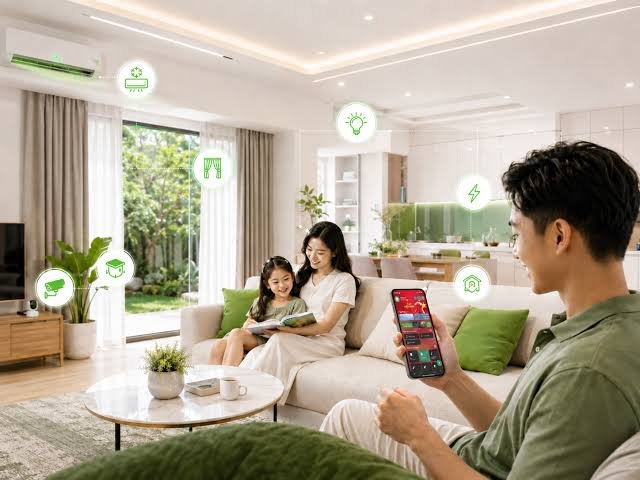
Smart home innovations have changed the way people interact with their living spaces. What once seemed like a futuristic idea has now become a practical reality, with homes becoming more connected, efficient, and personalized through advanced technology. From smart lighting and voice-controlled assistants to intelligent security systems and automated appliances, modern homes are evolving into responsive environments that understand and adapt to everyday needs.
The rise of smart home technology is not only about adding more gadgets to a house. It is about creating a better living experience by improving comfort, convenience, energy efficiency, and safety. These innovations allow homeowners to control different aspects of their homes through smartphones, voice commands, and automated systems that work together seamlessly.
As technology continues to develop, smart homes are becoming more accessible to a wider audience. People no longer need to be technology experts to enjoy the benefits of automation. With user-friendly devices and improved connectivity, smart home innovations are becoming an important part of modern lifestyles.
Understanding Smart Home Innovations
Smart home innovations refer to technologies that allow household devices and systems to communicate, operate automatically, and be controlled remotely. These technologies use internet connectivity, artificial intelligence, sensors, and automation to make everyday tasks easier and more efficient.
A traditional home requires manual control for most functions, such as adjusting lights, changing temperatures, or checking security. A smart home, however, can perform many of these tasks automatically based on user preferences, schedules, or environmental conditions.
The goal of smart home innovations is to create a living environment that is more responsive and convenient. Instead of simply using devices individually, homeowners can connect multiple systems together to create a complete smart ecosystem that improves daily life.
The Growth of Smart Home Technology
The popularity of smart home innovations has grown significantly in recent years because of improvements in technology and increased consumer interest. Faster internet connections, affordable smart devices, and better mobile applications have made home automation easier for everyday users.
In the past, smart home systems were often expensive and mainly used in luxury properties. Today, products such as smart bulbs, smart speakers, security cameras, and automated thermostats are available at different price levels, allowing more households to experience connected living.
Another reason behind this growth is the increasing demand for convenience. People are looking for solutions that save time, reduce energy costs, and make their homes safer. Smart technology provides practical answers to many common household challenges.
Smart Lighting Systems and Energy Efficiency
Smart lighting is one of the most popular examples of smart home innovations. These systems allow homeowners to control lights through smartphones, voice commands, or automatic schedules. Users can adjust brightness, change colors, and create different lighting environments based on their mood or activities.
One of the biggest advantages of smart lighting is energy efficiency. Smart bulbs can automatically turn off when rooms are empty or adjust brightness according to natural light conditions. This helps reduce unnecessary electricity usage and can contribute to lower energy bills.
Beyond saving energy, smart lighting improves comfort and convenience. Homeowners can create relaxing evening settings, brighter work environments, or automated morning routines without manually adjusting every light in the house.
Smart Home Security and Safety Features
Security is one of the most important areas where smart home innovations have made a major impact. Modern smart security systems include connected cameras, smart locks, motion sensors, video doorbells, and alarm systems that provide homeowners with better control over their property.
Smart security cameras allow users to monitor their homes remotely through mobile devices. Whether someone is at work, traveling, or simply in another room, they can receive alerts and view live footage whenever needed.
Smart locks and automated security systems also provide additional convenience. Homeowners can lock doors remotely, create temporary access codes for visitors, and receive notifications about unusual activity. These features help create a safer and more controlled home environment.
Artificial Intelligence in Smart Homes
Artificial intelligence has become an important part of modern smart home innovations. AI-powered devices can learn user habits, recognize patterns, and make automatic adjustments based on preferences.
For example, an intelligent thermostat can learn when residents usually come home and adjust the temperature accordingly. Similarly, smart assistants can understand voice commands, provide information, control connected devices, and help manage daily activities.
The integration of AI makes smart homes more personalized. Instead of simply following commands, smart systems can predict needs and provide solutions automatically, creating a more natural interaction between people and technology.
Smart Appliances and Connected Living
Smart appliances are another major development in home automation. Refrigerators, washing machines, ovens, and other household devices are becoming more intelligent and connected.
A smart refrigerator can monitor food items, suggest recipes, and notify users when supplies are running low. Smart washing machines can provide remote control options and recommend suitable washing settings based on clothing types.
These innovations make household tasks easier and more organized. By connecting appliances with mobile apps and smart assistants, homeowners can manage daily responsibilities more efficiently.
Voice Assistants and Home Automation
Voice-controlled assistants have played a major role in making smart homes more accessible. Devices with voice recognition technology allow users to control various functions without using physical switches or mobile applications.
With simple voice commands, people can adjust lighting, play music, check weather updates, manage schedules, and control connected devices. This hands-free approach is especially useful for elderly users or people with mobility challenges.
Voice assistants also make smart home systems easier for beginners. Instead of learning complicated controls, users can interact with technology naturally through conversation.
Smart Home Innovations and Energy Management
Energy management has become a key focus of smart home development. With rising energy costs and growing environmental awareness, many homeowners are looking for ways to use resources more efficiently.
Smart energy systems can monitor electricity consumption, identify areas of waste, and suggest ways to reduce usage. Smart thermostats, solar energy systems, and automated power controls help homeowners make better decisions about energy use.
These technologies support both financial savings and environmental responsibility. By using energy more intelligently, smart homes can contribute to a more sustainable future.
Smart Home Technology and Sustainability
Sustainability is becoming an important factor in the development of smart home innovations. Many modern devices are designed to reduce waste, improve efficiency, and support environmentally friendly lifestyles.
Smart irrigation systems, for example, can adjust watering schedules based on weather conditions and soil moisture levels. This prevents unnecessary water usage while maintaining healthy gardens.
Smart homes also encourage responsible consumption by providing homeowners with better information about their resource usage. When people understand how they use energy and water, they can make more informed choices.
Challenges of Smart Home Innovations
Despite their many benefits, smart home innovations also come with certain challenges. One major concern is privacy and data security. Since many smart devices collect information and connect to the internet, protecting personal data becomes extremely important.
Another challenge is compatibility between different smart devices. Some products may not work well together, making it necessary for homeowners to carefully choose systems that support common platforms and standards.
Cost can also be a consideration for some users. While many smart devices have become affordable, creating a fully automated home may still require significant investment depending on the level of technology desired.
The Future of Smart Home Innovations
The future of smart home technology looks promising as developers continue creating more advanced and intelligent solutions. Future homes are expected to become even more automated, with systems that can understand human behavior and respond more effectively.
Advancements in artificial intelligence, robotics, and connectivity will likely introduce new possibilities. Homes may become better at managing energy, improving security, supporting health needs, and creating personalized environments.
As technology becomes more affordable and easier to use, smart home innovations will likely become a normal part of everyday living rather than a luxury feature.
Smart Homes and Personalized Experiences
One of the most exciting aspects of smart home innovations is personalization. Modern systems allow homeowners to customize their environment according to their lifestyle, preferences, and routines.
A person can create different settings for work, relaxation, entertainment, or sleep. For example, a single command could adjust lighting, temperature, music, and security settings at the same time.
This level of personalization transforms a house from a simple living space into an environment designed around the people who live there. Technology becomes a supportive tool that improves comfort and quality of life.
Conclusion
Smart home innovations are transforming modern living by making homes more connected, convenient, secure, and energy-efficient. These technologies are changing how people interact with their surroundings and creating new possibilities for everyday comfort.
From intelligent lighting and security systems to AI-powered assistants and smart appliances, these innovations provide practical solutions for many household needs. While challenges such as privacy and compatibility remain, ongoing improvements are making smart homes more reliable and accessible.
The future of smart living is focused on creating homes that understand, adapt, and support human lifestyles. As technology continues to evolve, smart home innovations will play an increasingly important role in shaping the way we live.
Also Read: Truman Hanks